
I’ll be honest: when we first considered Las Palmas as a base for our remote IT business, I had Gran Canaria confused with Tenerife. Embarrassing, right? But that confusion led us to spend extended periods in Las Palmas digital nomad scene over the past 18 months, and what we discovered surprised us in ways I didn’t expect.
While we ultimately settled in Tenerife as our permanent home, our family has spent cumulative months working from Las Palmas. My partner Gábor needed to be there for client meetings, and I wanted our daughters to experience different parts of the islands. What started as a practical necessity became a masterclass in remote work reality versus Instagram fantasy.
Why Las Palmas works differently than other digital nomad hubs
Las Palmas isn’t Bali or Lisbon. It doesn’t try to be. The city has been a working port for centuries, and that authenticity is exactly what makes it compelling for remote workers who want actual life, not a digital nomad theme park.
The city has around 380,000 residents, making it a proper urban center with infrastructure that functions. You’re not pioneering here—you’re joining a community that already exists and happens to have excellent internet, year-round sunshine, and a cost of living that won’t demolish your remote salary.
A Canarian friend explained it perfectly over coffee in Vegueta: “We don’t change for tourists or digital nomads. You either like how we live, or you don’t.” That lack of performance is refreshing when you’ve seen other cities contort themselves for the laptop crowd.
The internet situation (because that’s what you actually care about)
Let’s talk about the thing that matters most when you’re on a client call at 3pm: does the internet actually work?
In our experience across three different apartments in Las Palmas, fiber connections ranged from 300Mbps to 600Mbps. We paid between €35-45 monthly with providers like Movistar and Orange. The setup process took about a week each time, which is slower than I’d like but faster than the bureaucracy for most other things in Spain.
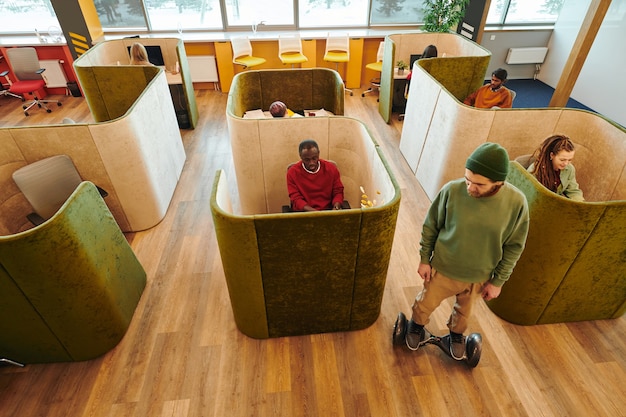
The coworking spaces are where Las Palmas digital nomad infrastructure really shines. We tested five different spaces, and the standout was a spot in Triana with dedicated booths for calls, backup generators, and internet that never dropped below 400Mbps. Monthly memberships ran €150-200, which felt steep until I calculated what one dropped client call would cost us.
Mobile data is robust throughout the city. We use Vodafone, and I’ve taken calls from Las Canteras beach, from hiking trails in the interior, even from the ferry to Tenerife. The 5G coverage surprised me—better than what we had in parts of Budapest.
What nobody mentions about working hours
The time zone is GMT in winter, GMT+1 in summer. If you’re working with European clients like we do, it’s perfect. North American companies? You’ll be taking calls late into the evening. Our daughters learned to be very quiet after 8pm when Gábor had West Coast US meetings.
The siesta culture is real, and it affects your workday whether you participate or not. Shops close, streets quiet down, and there’s this collective exhale between 2-5pm. I initially fought it, trying to maintain my Central European schedule. Big mistake. Now I structure deep work for those quiet afternoon hours and take my own break around 1pm like everyone else.
Neighborhoods decoded for remote workers
We’ve stayed in three different areas, each with distinct personalities that suited different work styles.
Vegueta and Triana (old town charm, tourist energy)
The historic quarters are gorgeous—cobblestones, colonial architecture, that postcard aesthetic. We rented an apartment in Triana for two months, and while the morning light through those tall windows was perfect for video calls, the afternoon street noise was not.
Rent for a two-bedroom with decent workspace ran us €1,100 monthly. Cafés everywhere, which sounds ideal until you realize they’re full of tourists and the WiFi is optimized for Instagram uploads, not file transfers. The charm wore thin when I needed to actually work, not just look like I was working.
That said, the community here is vibrant. We met other remote working families at the weekend markets, and our middle daughter made friends with a Dutch girl whose parents were also doing the digital nomad thing. The walkability is unmatched—everything you need within 15 minutes on foot.
Guanarteme and Santa Catalina (where locals actually live)
This is where we spent the most time and felt most at home. Guanarteme is a proper neighborhood—families, elderly folks walking their dogs, corner shops that know your coffee order by week two.
We paid €950 for a three-bedroom apartment with a small balcony and fiber internet already installed. The buildings are mostly from the 1970s, so don’t expect design magazine aesthetics, but the functionality is solid. Thick walls meant our girls could be loud without neighbor complaints.
The beach is five minutes away, supermarkets are local chains where prices reflect actual costs rather than tourist premiums, and there’s a mercado where the vendors started greeting us by name. That feeling of being somewhere real, not performing “location independence,” made the work feel more sustainable.
Las Canteras beachfront (premium pricing, premium distractions)
We splurged for one month in a beachfront apartment. €1,400 for two bedrooms, ocean views, and the constant temptation to close the laptop and go swimming.
For pure quality of life, it’s unbeatable. For productivity? I struggled. The promenade energy is infectious—joggers, surfers, families, that golden light bouncing off the Atlantic. Every time I looked up from my screen, I felt like I was wasting the location.
Some digital nomads thrive here. A British guy we met at a coworking space said the ocean view actually helped him focus. For me, it was too much stimulus. But if you can afford it and have the discipline, waking up to that beach is pretty special.
Real costs for a family of five (your numbers will vary)
Everyone’s situation is different, but here’s what we actually spent during our longest stay in Las Palmas:
- Rent: €950/month for three-bedroom in Guanarteme (2022)
- Utilities: €80-120/month (electricity varies with AC use)
- Internet: €40/month for 600Mbps fiber
- Groceries: €600-700/month for five people eating well
- Coworking: €180/month for flexible membership
- Eating out: €300-400/month (mix of casual and nice meals)
- Transport: €60/month (bus passes for the girls, occasional taxis)
- Activities: €200/month (swimming lessons, weekend trips, museums)
Total: Around €2,500-2,800 monthly. That’s for a family of five living comfortably, not backpacker-style but not luxury either. A solo digital nomad could easily live well on €1,200-1,500 if you’re strategic about housing.
The weather reality check
Yes, Las Palmas has incredible weather. But “incredible” doesn’t mean “perfect every single day,” and I wish someone had explained the nuances before we arrived.
Winter (December-February) is genuinely lovely—20-23°C, sunny most days, occasionally a bit of rain. This is peak season for European remote workers escaping the cold. Coworking spaces fill up, rental prices edge higher, and Las Canteras beach gets crowded on weekends.
Spring and autumn are ideal. Warm but not hot, fewer tourists, that sweet spot where you can work with windows open and not need AC.
Summer brings heat and something nobody warned us about: calima. These dust storms from the Sahara turn the sky orange, coat everything in fine sand, and make breathing feel like work. The first time it happened, I thought there was a fire. Our neighbor explained it’s normal, happens a few times each summer, usually passes in a day or two. But those days are rough—headaches, lethargy, and definitely not ideal for feeling productive.
Working through weather challenges
Air conditioning became non-negotiable for us during summer months. Our first apartment didn’t have it, and working in 30°C heat with humidity is miserable. We learned to specifically ask about AC in rental listings and factor the electricity cost into our budget.
The wind is constant in Las Palmas. Great for keeping temperatures comfortable, challenging for outdoor calls. I had to abandon my romantic notion of working from beach cafés because the wind noise made me sound like I was calling from inside a jet engine.
The community you’ll actually find
The Las Palmas digital nomad scene isn’t as organized as Lisbon or as tight-knit as smaller towns. It’s more diffuse, more organic. You’ll meet people at coworking spaces, through Facebook groups, at language exchanges, but there’s no single hub or obvious “scene.”
We connected with other families through our daughters’ activities—swimming classes led to conversations with a German couple doing remote work, a playground chat introduced us to a Norwegian single dad running an online business. The international school community was surprisingly full of digital nomad families who’d meant to stay a few months and ended up enrolling their kids.
What I appreciated most was the lack of performance. In some digital nomad hotspots, there’s this competitive vibe about who’s working on the coolest project or living the most optimized life. Las Palmas doesn’t have that energy. People are just… working and living. It’s refreshingly normal.
What makes it sustainable (or not)
After 18 months of extended stays, here’s what I think determines whether Las Palmas works long-term for remote workers:
You’ll thrive if: You want a real city with actual culture, you’re comfortable being a respectful outsider rather than the center of attention, you value stability over novelty, and you can create your own structure without needing a built-in digital nomad community to guide you.
You’ll struggle if: You need constant English-speaking social opportunities, you expect everything to cater to remote workers, you’re impatient with bureaucracy, or you need the validation of being somewhere “cool” on the digital nomad circuit.
For us, Las Palmas proved that you can have urban amenities, beach access, reliable infrastructure, and genuine local culture in one place. We ultimately chose Tenerife for our permanent home because of specific family factors, but Las Palmas remains the place we return to when we need the energy of a proper city.
Practical details they don’t put in guides
The banking situation is smoother than mainland Spain but still requires patience. We opened an account with CaixaBank after three visits and approximately seven thousand documents. Having a NIE (foreigner identification number) speeds this up considerably.
Healthcare is excellent. We registered with the public system, but also maintain private insurance (€180/month for our family) because waiting times for non-urgent appointments can stretch to weeks. The private clinics in Las Palmas are modern and efficient.
Grocery shopping offers everything from Mercadona (budget-friendly) to El Corte Inglés (premium prices, familiar brands). We found our rhythm shopping at local markets for produce and fish, supplemented by supermarket runs for everything else. The quality of fresh food is outstanding—tomatoes that actually taste like tomatoes, fish caught that morning.
The bus system is reliable and cheap (€1.40 per ride, or get a rechargeable card for discounts). We rarely needed a car within the city, though we rented one for exploring the island interior.
What I got wrong
I underestimated how much I’d miss green landscapes. Las Palmas is beautiful, but it’s not lush. The volcanic terrain and urban density mean you need to actively seek out nature, and even then, it’s dramatic rather than soft. Coming from Hungary where green is everywhere, this took adjustment.
I also assumed the international community would automatically become our social circle. In reality, our deepest connections came from unexpected places—our landlord’s family invited us to a local fiesta, the woman who runs the corner shop taught me Canarian Spanish phrases, our daughters’ school friends opened doors to genuinely diverse perspectives.
The biggest misconception? That working remotely from somewhere beautiful would make work feel less like work. The laptop doesn’t care about the view. The deadlines don’t disappear because you’re near a beach. What Las Palmas offered wasn’t escape from work—it was a better context for life around the work.
Would I recommend it?
If you’re considering Las Palmas as a digital nomad base, come for at least a month. The first week you’ll be enchanted by the novelty. The second week reality sets in—finding reliable internet, figuring out where to shop, establishing routines. By week three or four, you’ll know if it actually works for your life or if it’s just a nice vacation spot with WiFi.
For us, Las Palmas proved that you don’t need to choose between “real life” and “digital nomad life.” The city offers both, without fanfare, without trying to be anything other than what it is. And sometimes, that’s exactly what you need.