
I’ll never forget the first time I saw gofio canario in my neighbor’s kitchen. María was making something that looked like cookie dough, but it wasn’t sweet. She explained it was escaldón de gofio—a traditional dish her grandmother taught her. When I asked what gofio was, she looked at me like I’d asked what water was. “It’s… gofio,” she said, laughing. “We’ve been eating it for thousands of years.”
That was back in 2022, just after we’d moved here from Hungary. Now, two years later, there’s a bag of gofio in my pantry too. Not because I’m trying to be more Canarian—I’ll never be that—but because once you understand what this stuff is and how to use it, it’s genuinely useful. And the history behind it? That’s the kind of thing that makes living here feel like you’re part of something ancient.
What exactly is gofio canario?
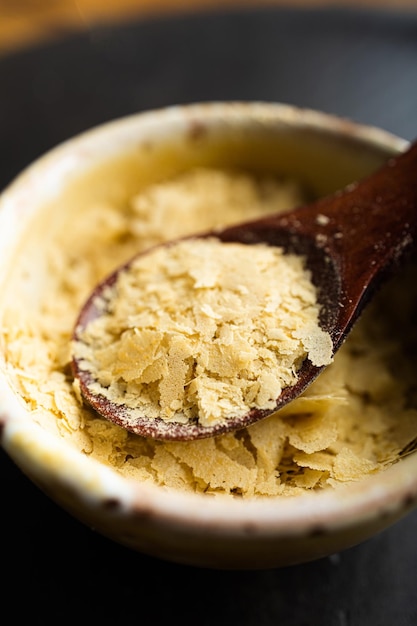
At its most basic, gofio is toasted grain flour. Usually it’s made from wheat or corn (maize), though you can find versions with barley, chickpeas, or a mix. The grains are toasted first, then stone-ground into a fine powder. That toasting is what gives gofio its distinctive nutty, slightly smoky flavor that honestly took me a while to appreciate.
The Guanche—the indigenous people who lived here before the Spanish conquest in the 1500s—were making gofio from barley and other grains at least 2,000 years ago. When the Spanish arrived, they brought wheat and corn, which got incorporated into the tradition. But the method? That stayed the same.
What blows my mind is that this isn’t some heritage food that only gets pulled out for festivals. Walk into any Canarian home and you’ll find gofio in the kitchen. My daughters’ school friends eat it for breakfast. The guy at our local bar mixes it into his morning coffee. It’s as everyday here as flour is in Hungary—except with way more history attached.
Why the Guanche relied on it (and why it matters)
Our neighbor explained that for the Guanche, gofio wasn’t just food—it was survival. The toasting process meant the grain could be stored for months without spoiling, even in humid conditions. You could carry it with you, mix it with water or milk when you needed to eat, and have instant nutrition. For people living in caves and herding goats across volcanic terrain, that was crucial.
According to what I’ve read from the Museo de la Naturaleza y la Arqueología in Santa Cruz, gofio was so central to Guanche culture that it had ritual significance too. They’d offer it to their gods, use it in ceremonies, and it was present at births and deaths. When I learned that, I started seeing the bags in the supermarket differently.
After the Spanish conquest, gofio became a food of poverty—what people ate when they couldn’t afford much else. During the economic hardships of the 20th century, many Canarian families survived on gofio. There’s still older people here who remember eating it three times a day because there wasn’t anything else.
Now it’s having this renaissance. Young Canarian chefs are putting it in fancy desserts. Fitness people are calling it a superfood (which makes some locals roll their eyes). But mostly, it’s just stayed what it always was: daily food.
What does gofio actually taste like?
Okay, honesty time: the first time I tried gofio canario, I didn’t love it. Gábor said it tasted like “toasted nothing.” Our middle daughter refused to try it again after one spoonful. But here’s the thing—you can’t just eat gofio plain and expect magic. It’s not that kind of food.
The flavor is nutty and earthy, with this toasted-grain taste that’s hard to describe if you’ve never had it. The wheat version is milder and slightly sweet. The corn (millo) version is stronger, almost like toasted cornmeal but more complex. Some people love the corn one; others find it too intense. I keep both in my pantry now because they work for different things.
The texture is what threw me at first. It’s fine and powdery, but when you add liquid, it doesn’t dissolve—it absorbs. It gets thick fast. If you’ve ever made polenta or grits, it’s similar in that way, except the grain is already cooked from the toasting, so you’re really just hydrating it.
A Canarian friend told me that the quality varies wildly. The cheap stuff from the supermarket is fine for everyday use, but if you go to a traditional mill—a molino—you can taste the difference. We visited Molino de Gofio in La Orotava once, and the gofio they sold there had this incredible depth of flavor. You could smell the toasting.
How Canarians actually use gofio (not the tourist version)
This is where I had to learn by watching, because the recipes online were either too simplified or weirdly complicated. Here’s what I’ve seen real Canarian families do with gofio canario:
Gofio amasado
This is probably the most common way. You mix gofio with water, salt, and sometimes a bit of oil or mojo (Canarian sauce) until it forms a dough-like consistency. María makes hers with the leftover liquid from cooking chickpeas, which adds flavor. You shape it into balls or logs and eat it alongside meals, especially with fish. It’s dense and filling—a little goes a long way.
In milk or coffee
Plenty of people here just stir a spoonful of gofio into their morning coffee or a glass of milk. Add a bit of sugar or honey, and it’s breakfast. Our oldest daughter actually started doing this before school sometimes. She says it keeps her full longer than cereal, which I can’t argue with—the stuff is definitely filling.
Escaldón
This is the dish María was making when I first learned about gofio. You make a fish or meat broth, then whisk gofio into it while it’s hot until it thickens into something between polenta and mashed potatoes. It’s comfort food, the kind of thing people make when they’re sick or when it’s cold (yes, it gets cold here in winter, despite what the brochures say). I’ve made it a few times now, and it’s genuinely good—hearty and warming.
Mousse de gofio
This is the dessert version, and it’s everywhere in restaurants. You mix gofio with sweetened condensed milk, sometimes add almonds or cinnamon, and chill it. It’s rich and sweet and has this unique texture. Our middle daughter, who refused plain gofio, will eat this all day. I’ve seen fancier versions with chocolate or honey, but the basic one is already pretty indulgent.
In baking and cooking
Some Canarian bakers substitute a portion of regular flour with gofio in bread, cakes, or cookies. It adds this nutty flavor and makes things more filling. I’ve experimented with this—adding maybe 20% gofio to banana bread or muffins—and it works surprisingly well. You just have to adjust the liquid because gofio absorbs more than regular flour.
Where to buy real gofio canario
You can find gofio in literally any supermarket here—Mercadona, HiperDino, Lidl, all of them have it. It’s cheap too, usually €1.50-€3 for a kilo bag. The most common brands are La Piña and El Guanche. These are fine for everyday use and what most people buy.
But if you want to try really good gofio, go to a traditional mill or a farmers market. In Tenerife, the Mercado de Nuestra Señora de África in Santa Cruz has vendors selling artisanal gofio. So does the Sunday market in Tacoronte. The woman at the mercado who sold me my first bag spent ten minutes explaining the difference between wheat and millo gofio, which grains were toasted darker, which were better for sweet versus savory dishes.
On Gran Canaria, there’s a famous mill called Molino de Gofio El Guanche in Aguimes that still uses traditional stone mills. They give tours, and you can buy their gofio there. According to people who know way more than me, that’s some of the best you can get.
If you’re visiting and want to take some home, the airport shops sell it too, though it’s more expensive. The small 500g bags are easier for travel. Just be aware that if you’re flying outside the EU, you might need to check regulations on bringing grain products into your country.
My own experiments with gofio (some successes, some disasters)
I’m not going to pretend I’m some gofio expert. I’m a Hungarian woman who runs an IT business and cooks dinner for three kids—my relationship with gofio is purely practical. But I’ve tried some things that worked and some that absolutely didn’t.
The first time I made escaldón, I added the gofio too fast and ended up with lumps. Gábor said it looked like cement. You have to whisk constantly and add it gradually—that’s the trick. Now I can make a decent one, especially with fish stock.
I tried making gofio pancakes once, substituting it for flour. They were… dense. Like, really dense. Edible, but not something I’d make again. I think gofio works better as a partial substitute rather than a complete replacement in baking.
What did work: adding a tablespoon to smoothies. It makes them thicker and more filling, and you don’t really taste it if there’s banana and berries in there. Our youngest daughter drinks these after swimming and says they help her not feel starving an hour later.
I also started using gofio amasado as a side dish when we have fish, the way María taught me. It’s actually easier than making bread or rice, and it feels more connected to where we live. Our German friends tried it at our place and now they make it too.
The cultural weight of something so simple
Here’s what I’ve come to understand about gofio canario after two years of living here: it’s not just food. It’s identity. When Canarians talk about gofio, there’s this pride in their voices—pride that their ancestors created something so practical and nutritious that it’s still relevant 2,000 years later.
A teacher at my daughters’ school once said something that stuck with me. She said that gofio is proof that Canarian culture survived colonization. The Spanish brought their wheat and their religion and their language, but they couldn’t erase gofio. It adapted, incorporated new grains, but the essence stayed Guanche. Every time someone eats it, they’re connected to that pre-conquest history.
I’m not Canarian, and I never will be. My kids are growing up here, so maybe they’ll have a different relationship with this place than I do. But I appreciate that something as simple as toasted grain flour can carry so much history and meaning. It makes me more aware of my own Hungarian food traditions, the things my grandmother made that connected us to something older.
Should you try gofio if you’re visiting?
Absolutely, but adjust your expectations. This isn’t going to be the most exciting thing you eat in the Canary Islands. It’s not papas arrugadas with mojo or fresh grilled fish or those incredible cheeses from La Palma. Gofio is humble, everyday food.
The easiest way to try it is to order mousse de gofio at a restaurant. It’s dessert, so it’s sweet and approachable, and it’ll give you the basic flavor profile without any weirdness. Most traditional Canarian restaurants have it.
If you’re more adventurous, order escaldón if you see it on a menu. It usually comes with fish. It’s filling and earthy and very traditional. Just know that it’s not going to be Instagram-pretty—it’s brown and thick and looks kind of like… well, like peasant food, because that’s what it is.
If you’re renting an apartment with a kitchen, buy a small bag from the supermarket and experiment. Mix some with milk and honey for breakfast. Make gofio amasado to eat with cheese. Worst case, you’re out €2 and you have a weird story. Best case, you understand a little more about why this place is special.
What gofio taught me about living here
When we first moved to Tenerife, I was focused on the obvious stuff—beaches, weather, schools, bureaucracy. I didn’t think much about food beyond “oh, the fish is fresh and the produce is good.” But gofio canario taught me that if you want to really understand a place, you have to pay attention to the ordinary things.
Nobody puts gofio in tourist brochures. It’s not pretty. It doesn’t photograph well. But it’s in every kitchen, and it’s been here longer than almost anything else. That persistence, that refusal to disappear despite poverty and colonization and modernization—that’s very Canarian.
I keep a bag of wheat gofio and a bag of millo gofio in my pantry now, next to the Hungarian paprika I brought from home and the mojo I bought at the market last week. That feels right to me—acknowledging where I came from while respecting where I am. Gofio isn’t mine in the way it’s María’s or my daughters’ teacher’s, but it’s part of my life here now. And every time I use it, I think about those Guanche people grinding grain on volcanic stone 2,000 years ago, and how some things are worth keeping.