
When we first drove into the Anaga Rural Park trails area on a Saturday morning in 2022, I thought my GPS had malfunctioned. The narrow, winding road seemed to lead us into another world entirely—one where dense laurel forests replaced the sunny beaches we’d been enjoying all week. My middle daughter looked up from her phone and said, “Mom, are we still in Tenerife?”
That’s Anaga for you. It doesn’t match what you think you know about this island.
After two years of exploring these trails with varying degrees of success (and one memorable disaster involving fog so thick we couldn’t see our own feet), I’ve learned that Anaga rewards preparation and punishes assumptions. Here’s what actually works.
Why Anaga feels like stepping into prehistoric Europe
The Anaga massif is one of the oldest parts of Tenerife—we’re talking 7 to 9 million years old. Our neighbor Juan, who grew up in Taganana, explained that the laurel forest here is a remnant of vegetation that covered the Mediterranean region millions of years ago. It survived in places like Anaga because the climate stayed humid and temperate while the rest of Europe dried out.
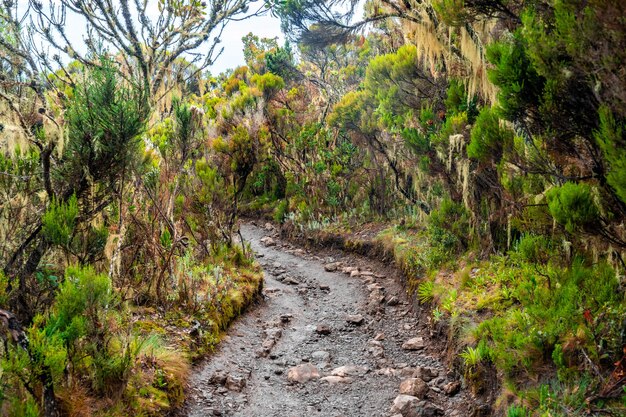
Walking through it feels genuinely ancient. The trees are draped in moss, the air smells of damp earth and vegetation, and the light filters through the canopy in a way that makes everything look slightly magical. My oldest daughter, who’s usually too cool for family hikes, admitted it felt like walking through a fantasy novel.
The park covers about 14,500 hectares and was declared a Biosphere Reserve by UNESCO in 2015. That designation isn’t just a tourist badge—locals take it seriously, and you should too.
The trails everyone talks about (and whether they’re worth it)
Sendero de los Sentidos (Path of the Senses)
This is the trail I recommend to every family who asks. It’s short (about 1 km), mostly flat, and specifically designed to be accessible. We did it with our youngest when she was still 7, and she managed fine.
The path has information panels in multiple languages and features that engage different senses—textured handrails, aromatic plants you can touch, spots designed for listening to the forest. It sounds gimmicky, but it’s actually lovely. The trail starts near the Cruz del Carmen visitor center, where you can grab a coffee and use proper bathrooms before starting.
Cost: Free. Time: 30-45 minutes. Best for: Families with young kids, anyone wanting a taste of Anaga without committing to a serious hike.
Bosque Encantado (Enchanted Forest) to Batán
This is the hike that appears in every Tenerife Instagram post—those photos of twisted, moss-covered trees that look like they’re from a fairy tale. The reality matches the photos, which is rare.
The full circular route is about 6.5 km and takes roughly 3 hours. It starts in Punta del Hidalgo and winds through some of the densest laurel forest in the park. The trees really do look enchanted, especially when mist rolls through (which happens often).
We attempted this trail on a Sunday morning in October 2023. The first hour was stunning. Then the fog came in so thick we literally couldn’t see the trail markers. We ended up turning back, frustrated but also slightly awed by how quickly the weather can change up there.
Local tip: A woman at the mercado in La Laguna told us that if you can see clouds sitting on top of the Anaga mountains from the city, don’t bother going up that day. The clouds mean fog in the forest. We’ve followed that advice ever since.
Chamorga to Faro de Anaga
This coastal trail is completely different from the forest hikes. It’s about 5 km one way, following dramatic cliffs down to the lighthouse at Tenerife’s northeastern tip.
The views are spectacular—sharp volcanic cliffs dropping into impossibly blue water. But the trail is exposed, often windy, and has some steep sections. We did it on a clear March day, and even then, the wind was strong enough that we kept our youngest away from the cliff edges.
The lighthouse itself is still operational, and there’s something satisfying about reaching the literal edge of the island. A Canarian friend mentioned that locals from Chamorga used to walk this route regularly to tend the lighthouse before the road was built. It makes you appreciate how isolated these villages were.
Difficulty: Moderate to challenging. The way back up is tough. Time: 3-4 hours round trip. Bring: More water than you think you need, sun protection, and snacks.
Afur to Taganana
This is the Anaga Rural Park trail that converted me from someone who hikes occasionally to someone who actually seeks out hikes. It’s about 8 km through changing landscapes—you start in the mountains, wind through laurel forest, pass through cultivated terraces, and end in the coastal village of Taganana.
The route follows old camino real paths that connected villages before roads existed. You can still see original stone paving in sections, worn smooth by generations of feet. Our middle daughter, who’d been complaining about the hike for the first hour, got quiet when we reached a viewpoint overlooking Taganana. Sometimes the landscape just shuts you up.
Logistics matter here: it’s a one-way trail, so you need to arrange transport from Taganana back to Afur (or vice versa). We took a taxi, which cost about €25. Worth it. The trail is well-marked with wooden posts, but download an offline map anyway—phone signal is patchy.
Time: 3-4 hours. Difficulty: Moderate. Best feature: The variety. You’re never bored.
What nobody tells you about hiking in Anaga
The permit system is real and annoying
Some of the most popular Anaga Rural Park trails require advance permits, especially on weekends and holidays. This includes parts of the Bosque Encantado route and several others. You book through the official Tenerife government website, and spots fill up days or even weeks ahead during peak season.
We learned this the hard way. Showed up on a Saturday in April 2023, ready to hike, only to be turned back by a very polite but firm park ranger who explained the permit system. My mistake cost us a morning and about €20 in wasted gas driving up there.
The permit system exists to protect the fragile ecosystem from overcrowding. I get it, and I support it. But plan ahead.
Weather changes faster than you’d believe
Anaga creates its own microclimate. The trade winds hit the mountains, create clouds, and suddenly you’re in thick fog even though it was sunny 20 minutes ago. This isn’t occasional—it’s the norm.
Check the weather forecast specifically for the Anaga region, not just “Tenerife.” They’re different. And even if the forecast looks good, bring a light waterproof jacket. The locals we’ve hiked with always have one, which should tell you something.
Some trails are genuinely difficult
Tourism websites sometimes undersell how challenging certain routes are. The trails can be steep, rocky, muddy, and exposed. We’re reasonably fit (we walk a lot, chase three kids), and some sections still had us breathing hard.
If you haven’t hiked in a while, start with the easier routes. There’s no shame in knowing your limits. The Sendero de los Sentidos or the lower section of Cruz del Carmen trails are beautiful without being punishing.
The villages are part of the experience
Anaga isn’t just about trails—it’s also about the tiny villages that have survived in these mountains for centuries. Places like Taganana, Chamorga, and Afur feel genuinely remote, even though they’re only 30-40 km from Santa Cruz.
After finishing the Afur to Taganana hike, we ate at a small restaurant in Taganana where the fish was caught that morning and the papas arrugadas were perfect. The woman running the place seemed amused by our sweaty, exhausted state and brought extra mojo without us asking. That meal tasted better than any fancy restaurant we’ve been to on the island.
These villages aren’t tourist attractions playing at being traditional—they’re real communities with their own rhythms and traditions. Treat them with respect. Don’t blast music, leave trash, or act like you own the place.
Practical stuff that actually matters
Getting there and parking
You need a car. Public buses serve some areas of Anaga, but they’re infrequent and don’t reach most trailheads. The drive from Santa Cruz takes 30-45 minutes depending on your destination, longer from the south.
The roads are narrow and winding. If you’re not comfortable with mountain driving, consider hiring a guide or joining a tour. I’m a confident driver, and some of those hairpin turns still make me nervous when there’s oncoming traffic.
Parking at popular trailheads fills up early on weekends. Arrive before 9 AM if possible. We’ve seen people parking in questionable spots when official areas are full—don’t be that person. It blocks local residents and emergency vehicles.
What to bring
Based on our various successes and failures, here’s what actually gets used:
- More water than seems reasonable (we bring 2 liters per person for longer hikes)
- Snacks with actual calories—fruit, nuts, sandwiches
- Light rain jacket, even on sunny days
- Proper hiking shoes with grip (we saw someone in flip-flops once; it didn’t go well)
- Offline maps downloaded on your phone
- Small first aid kit (plasters for blisters at minimum)
- Sun protection—the forest provides shade, but exposed sections are intense
- Cash for villages (not everywhere takes cards)
When to go
We’ve hiked Anaga trails in every season now. Here’s what we’ve learned:
Winter (December-February): Cooler temperatures make hiking comfortable, but there’s more rain and fog. The forests are incredibly green. Some trails can be muddy and slippery.
Spring (March-May): Probably the best time. Wildflowers bloom, temperatures are mild, and you get more clear days. This is also when it’s most crowded, so book permits early.
Summer (June-August): Hotter, but the altitude keeps Anaga cooler than the coast. Less fog, more sun. We actually enjoy summer hikes here because it’s one of the few places on the island that stays comfortable.
Autumn (September-November): Similar to spring—good temperatures, occasional rain, beautiful light. October has been our favorite month for hiking.
Weekdays are always quieter than weekends. If you have flexibility, go Tuesday through Thursday.
What we got wrong (so you don’t have to)
Our first major Anaga hike, we packed like we were going to the beach—minimal water, no snacks, definitely no rain gear. We were fine, but only because we chose an easy trail and got lucky with weather. Don’t rely on luck.
We also underestimated how much time trails actually take. The 3-hour estimate on the sign? That’s for people who hike regularly and don’t stop for photos or snacks. Add at least 30-60 minutes to any official time estimate, more if you’re with kids.
And we initially tried to do too much in one day—drive up, hike, visit villages, eat lunch, explore more. Anaga rewards a slower pace. Pick one good trail, do it properly, and save energy for enjoying wherever you end up afterward.
The thing about Anaga that surprised us most
After two years of exploring these trails, what strikes me most is how different Anaga feels from the rest of Tenerife. Not just the landscape, but the whole atmosphere. It’s quieter, older, more mysterious somehow.
The Anaga Rural Park trails have become our family’s reset button. When the tourist areas feel too crowded, when work stress builds up, when the kids are driving each other crazy—we drive up into those ancient forests and remember why we moved here.
A German couple we met on the Afur trail, who’ve lived in Tenerife for 15 years, told us they still discover new routes in Anaga. That’s either encouraging or daunting, depending on how you look at it. We’re still very much beginners here, learning as we go.
But that’s part of what makes it special. These mountains don’t give up their secrets quickly. They make you work for it, come back multiple times, pay attention. And somehow, that makes every hike feel earned.